
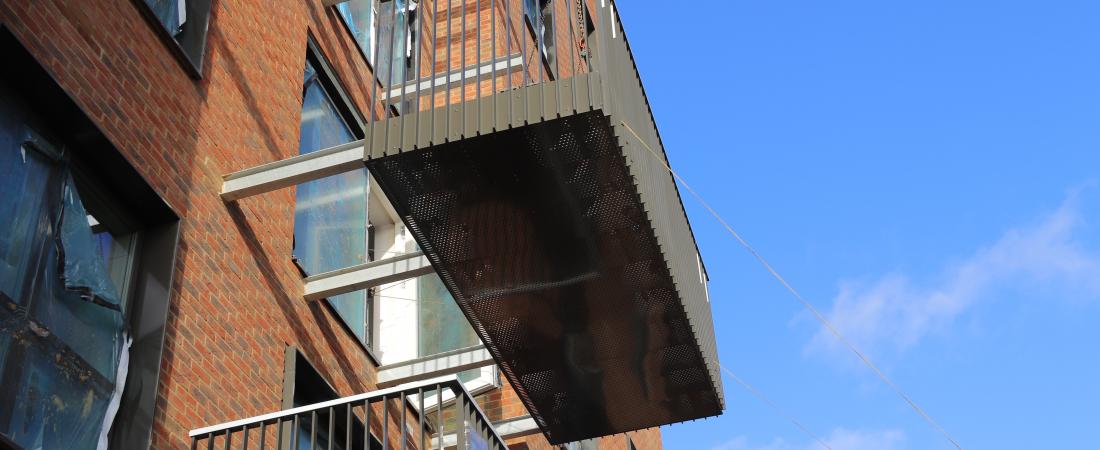
If you’re specifying fire rated balcony decking, all components of the decking used must be non-combustible. Based on the new compliance regulations of 2018, the external walls of any building over the height of 18m used as a residence needs to be built using non-combustible components. If the building fails to comply with these regulations, the value of the property is automatically declared at £0. So, to be sure that your decking uses non-combustible components, here are some things to look out for when specifying decking:
Insights
What to Look Out for When Specifying Fire Rated Balcony Decking
16
Jul
Jul
Note: This blog was originally published on . Some information, product features, pricing, or recommendations may have changed since publication. Please refer to our latest resources or contact us for the most current information.
If you’re specifying fire rated balcony decking, all components of the decking used must be non-combustible. Based on the new compliance regulations of 2018, the external walls of any building over the height of 18m used as a residence needs to be built using non-combustible components. If the building fails to comply with these regulations, the value of the property is automatically declared at £0. So, to be sure that your decking uses non-combustible components, here are some things to look out for when specifying decking:
If you’re specifying fire rated balcony decking, all components of the decking used must be non-combustible. Based on the new compliance regulations of 2018, the external walls of any building over the height of 18m used as a residence needs to be built using non-combustible components. If the building fails to comply with these regulations, the value of the property is automatically declared at £0. So, to be sure that your decking uses non-combustible components, here are some things to look out for when specifying decking: