The latest update from the Building Safety Regulator (BSR) offers encouraging signs for project teams navigating Gateway 2 under the Building Safety Act.
Approval rates are improving and newer applications are progressing more quickly than many older cases. However, the update also reinforces an important point: applications still need to be properly prepared, coordinated and supported by project-specific evidence.
For balcony and terrace packages, this means moving beyond product selection alone. The BSR needs to understand how the proposed decking, support structure, fixings, drainage, waterproofing and wider fire and structural strategy work together.
East Village: progress on a major remediation programme
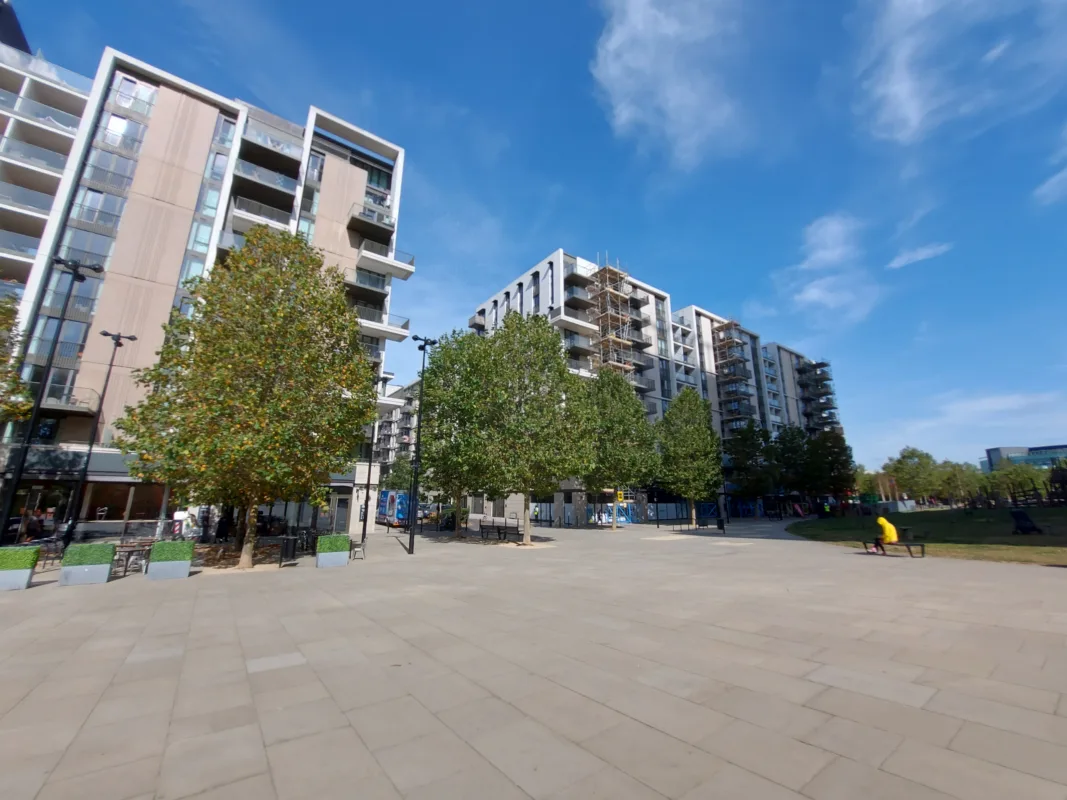
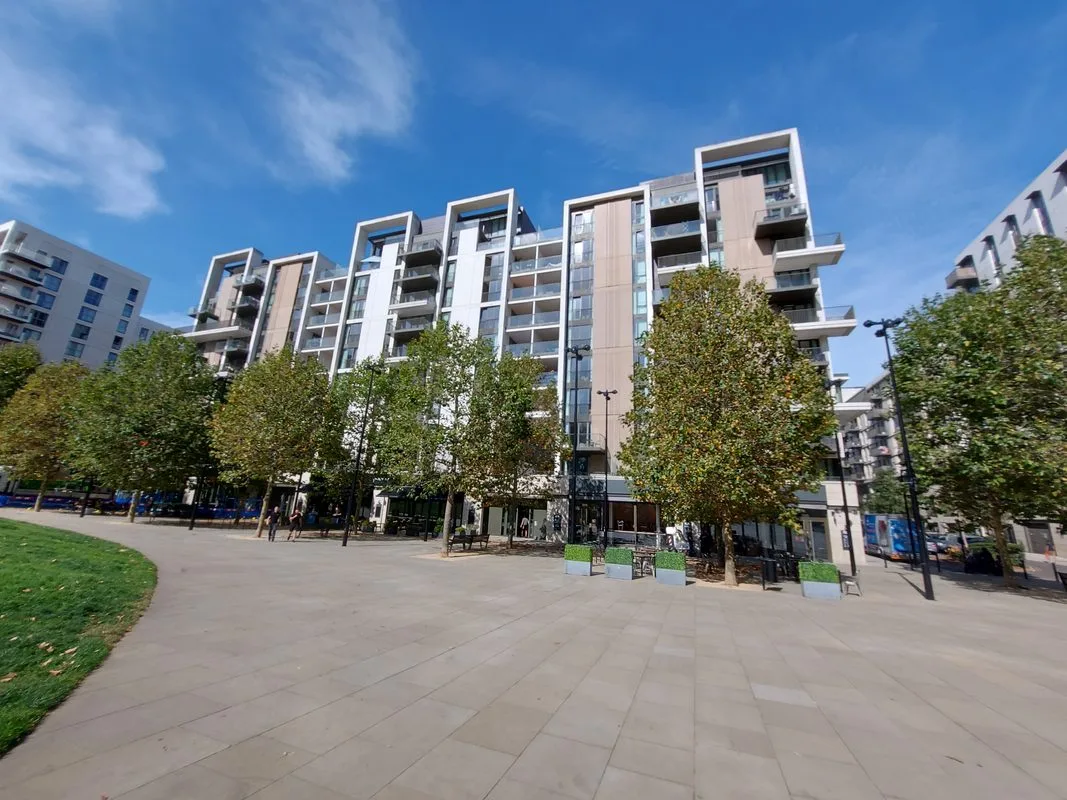
The latest BSR update also highlights progress at East Village in Stratford, one of the UK’s largest and most complex residential remediation programmes.
Originally built as the Athletes’ Village for the London 2012 Olympic Games, East Village is now home to around 2,800 households across social, affordable and private housing. The BSR recently visited the development following key regulatory approvals that will enable the next phase of work to proceed.
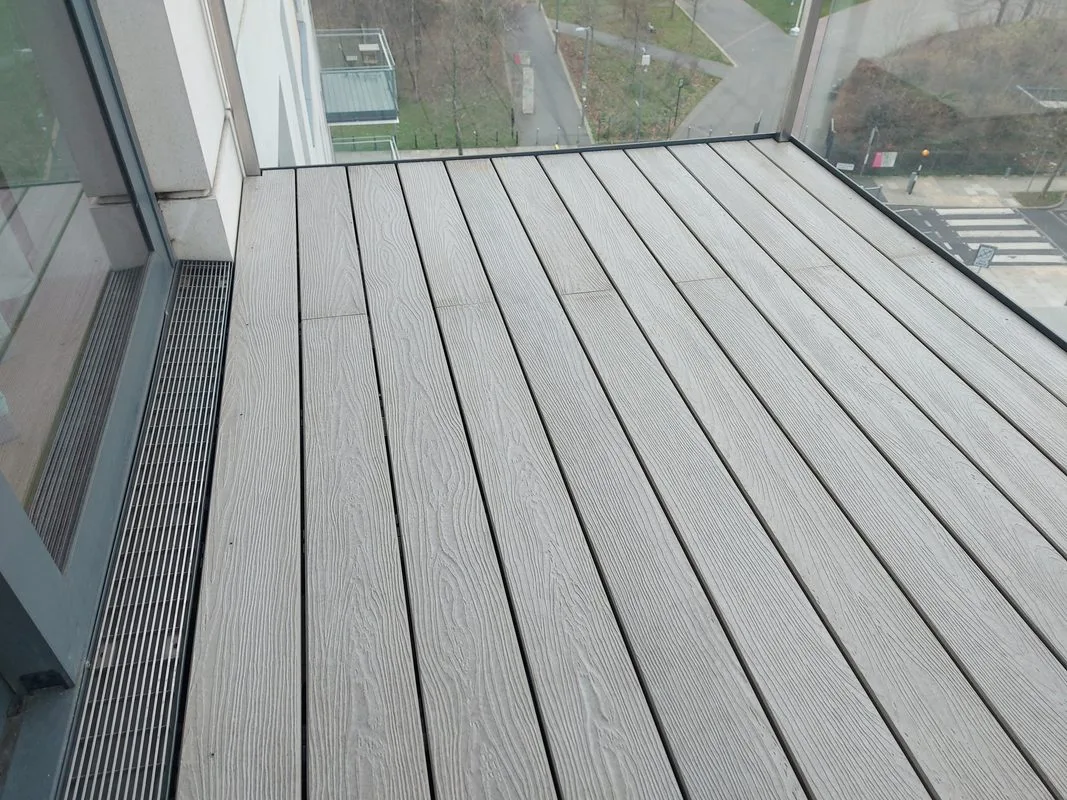
The programme involves both internal and external improvements across multiple residential blocks, while residents continue to live in their homes. MyDek’s Luxura A1-rated mineral composite deck board forms a key part of the external remediation work, helping to replace combustible balcony decking with a non-combustible, timber-effect solution.
The project is a useful reminder that successful remediation is not only about selecting compliant materials. It depends on careful coordination between the client, designers, contractors, specialist suppliers and regulators—particularly where work must be delivered safely in an occupied development.
As the BSR noted, projects of this scale require robust challenge where necessary, but also clear communication, shared understanding and a focus on the right outcomes for residents.
Latest Gateway 2 figures: progress, but continued pressure on applications
The BSR’s latest building control approval data, covering July to September 2026, shows continued improvement in Gateway 2 outcomes.
For new higher-risk buildings and conversions, the BSR reported:
- A 97% approval rate
- A median approval time of 23 weeks
- 57 decisions made over the rolling 12-week period
For external remediation projects, the figures were:
- An 87% approval rate
- A median approval time of 32 weeks
- 110 decisions made over the same period
The BSR has also seen a significant rise in new applications, with 64 received in September compared with 34 in August and 17 in July. It attributes this in part to applications being submitted before the Building Safety Levy came into effect on 1 October 2026.
While the direction of travel is positive, the message for applicants remains clear. The BSR is increasing its checks and has confirmed that it may reject applications with significant compliance gaps where there is no realistic prospect of approval within a reasonable timeframe.
For project teams, the best response is to make sure key safety-critical decisions are resolved before submission, rather than leaving them for the contractor or specialist supplier to develop later.
What the latest Building Safety Regulator update means for balcony and terrace packages
Balconies and terraces can involve several interdependent disciplines. A compliant decking board is only one part of the overall package.
At Gateway 2, the design needs to demonstrate how the balcony or terrace will perform as part of the building. This includes consideration of:
- Fire performance and the relationship with the wider façade strategy
- Structural loading, board spans and support arrangements
- Wind uplift and the proposed fixing or restraint strategy
- Drainage, falls, waterproofing and threshold details
- Guarding, edge details and interfaces with adjacent elements
- Installation, inspection and change-control arrangements
The strongest submissions do not simply upload certificates, calculations and drawings as separate documents. They explain how the evidence relates to the actual building and how the proposed system will be installed and verified.
This is particularly important on remediation schemes, where existing steelwork, thresholds, drainage routes and incomplete historical information can create additional complexity.
What should a Gateway 2-ready balcony package include?
Every project is different, and the final submission should be developed by the relevant dutyholders and design team. However, a Gateway 2-ready balcony or terrace package will typically need to address the following areas.
1. Clear, coordinated design information
The proposed arrangement should be clear on drawings and sections, including deck layout, board direction, support centres, finished floor levels, build-up heights, junctions and fixing locations.
The design should not rely on major technical decisions being resolved after approval.
2. Fire-performance evidence
The submission should identify the proposed materials and provide relevant classification reports, product information and supporting evidence. Just as importantly, it should explain how the balcony or terrace arrangement aligns with the wider fire strategy and external-wall design.
3. Structural and wind-uplift strategy
The design needs to show how loads are transferred through the decking and support system to the structure. This may include board spans, rail or joist layouts, fixing details, wind-uplift measures and project-specific calculations where required.
4. Drainage and waterproofing coordination
Decking, drainage and waterproofing cannot be treated as separate packages. The information should address falls, drainage routes, outlets, thresholds, waterproofing protection and access for inspection or maintenance.
5. Installation and verification
Gateway 2 is not only about the proposed design. Project teams also need to consider how they will demonstrate that the approved design has been built correctly.
This may include installation guidance, inspection points, responsibilities, photographic records and product traceability.
6. Controlled change management
Changes can arise during construction, but they need to be assessed and recorded properly. Any proposed substitution that affects fire, structural or other compliance considerations should be reviewed through the project’s change-control process before installation.
The value of early technical input
The latest BSR data suggests that stronger applications are moving through the system more effectively. For balconies and terraces, this reinforces the value of involving specialist support early enough to resolve the details that can otherwise create delay.
At MyDek, we support project teams with technical guidance, coordinated decking and support-system details, product evidence and project-specific solutions for complex balcony and terrace conditions.
This can include support with:
- Decking layouts and support-system selection
- Wind-uplift and fixing considerations
- Build-up, threshold and drainage coordination
- Technical drawings and product documentation
- Installation guidance and information for the Golden Thread
The aim is not simply to select a suitable product. It is to help develop a coordinated balcony or terrace package that is ready for detailed review, installation and verification.
Further Building Safety Act and Gateway 2 guidance
For more information on the Building Safety Act, the Building Safety Regulator, Gateway 2, Gateway 3 and the Golden Thread, visit MyDek’s Building Safety Regime Hub.
If you are developing a balcony or terrace package for an upcoming higher-risk building or remediation project, speak to the MyDek technical team about the information and support required for your project.